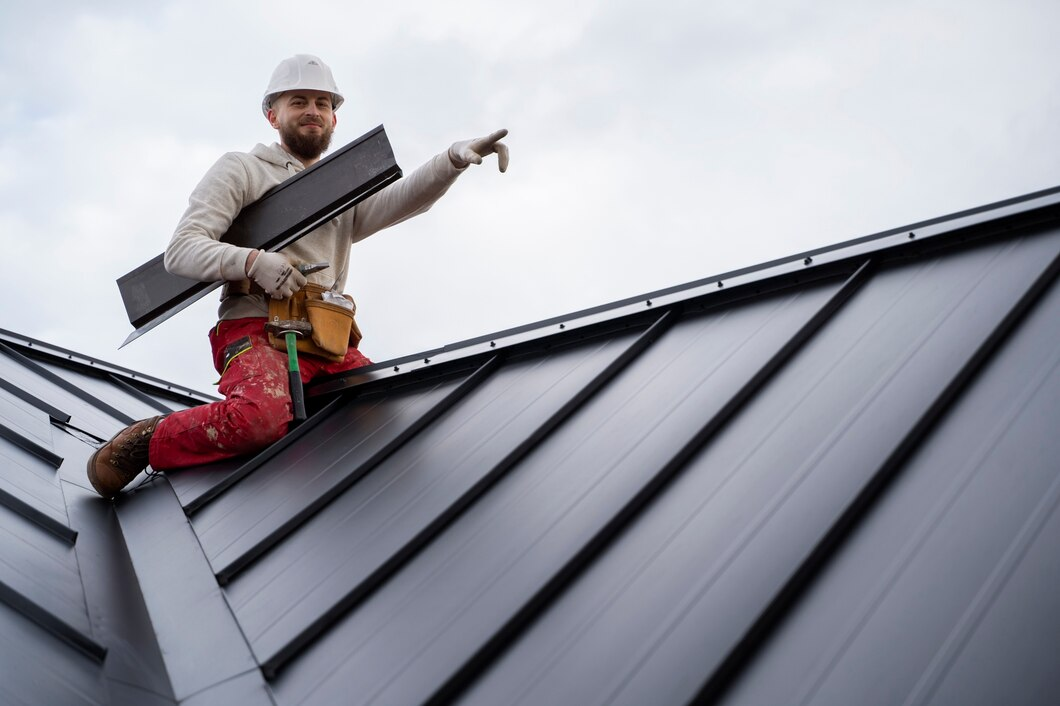
Your roof is one of the most important parts of your property, protecting your family and belongings from changing weather conditions throughout the year. While many homeowners expect their roof to last for decades, hidden problems can develop long before the expected lifespan ends.
Understanding the warning signs that indicate the need for home roof replacement can help prevent expensive structural damage and unexpected repairs. Recognizing these issues early allows homeowners to make informed decisions and maintain the long term safety and value of their property.
The Importance of Paying Attention to Roof Condition
Many roofing problems begin as small issues that are difficult to notice from the ground. Over time, these minor defects can become significant structural concerns if left untreated.
A well maintained roof helps:
- Protect the home’s structural integrity
- Prevent moisture damage
- Improve energy efficiency
- Extend the lifespan of insulation
- Preserve property value
Ignoring early warning signs may lead to much larger repair costs in the future.
Your Roof Is Approaching the End of Its Lifespan
Every roofing material has an expected service life. Asphalt shingles typically last between 20 and 30 years, while metal and tile roofs may last much longer with proper maintenance.
If your roof is approaching its expected lifespan, even if it appears to be in decent condition, aging materials become more vulnerable to weather damage.
Older roofs often experience:
- Loss of waterproof protection
- Reduced resistance to wind
- Increased cracking
- Weak sealing around flashing
- Faster deterioration after storms
Age alone does not guarantee replacement is necessary, but it significantly increases the likelihood.
Curling, Cracking, or Missing Shingles
Shingles provide the first layer of defense against rain and sunlight. When they begin to fail, water can quickly penetrate the roofing system.
Signs of shingle deterioration include:
- Curled edges
- Buckled surfaces
- Cracks
- Missing sections
- Loose shingles after storms
These conditions expose the underlayment and roof deck to moisture, increasing the risk of leaks and wood rot.
When multiple areas show damage, replacement may be more practical than repeated repairs.
Granules Are Collecting in Gutters
Asphalt shingles contain protective granules that shield the roof from ultraviolet rays.
Over time, these granules begin to wear away. Finding excessive amounts inside gutters or downspouts often indicates advanced shingle aging.
Without these granules, shingles become vulnerable to:
- Sun damage
- Faster deterioration
- Water penetration
- Surface cracking
- Reduced lifespan
Heavy granule loss is often an early sign that the roof’s protective layer is failing.
Water Stains Inside the Home
Interior water stains often reveal roofing issues that have existed for some time.
Common locations include:
- Ceilings
- Upper walls
- Attics
- Around skylights
- Near chimneys
Even small stains may indicate slow leaks that can eventually damage insulation, drywall, framing, and electrical systems.
Moisture problems should never be ignored because hidden leaks often spread farther than visible stains suggest.
Roof Sagging or Uneven Areas
A roof should maintain a straight and consistent appearance across its entire surface.
Visible sagging may indicate:
- Water saturated decking
- Structural weakening
- Rotting wood
- Foundation movement
- Long term moisture damage
Sagging sections represent a serious structural concern that requires immediate professional evaluation.
In many cases, widespread structural damage makes roof replacement the safest solution.
Moss and Algae Growth
While moss may appear harmless, it can retain moisture against roofing materials for extended periods.
Persistent moss growth may cause:
- Shingle lifting
- Water retention
- Wood decay
- Surface deterioration
- Reduced drainage
Algae stains themselves may be cosmetic, but thick moss accumulation can significantly shorten the roof’s lifespan if not addressed.
Daylight Visible in the Attic
Your attic can provide valuable clues about the condition of your roof.
During daylight hours, inspect the attic for:
- Light shining through roof boards
- Small holes
- Cracks
- Gaps around vents
- Open seams
If sunlight enters through the roof structure, moisture can likely enter as well.
Even tiny openings may eventually lead to significant leaks during heavy rainfall.
Rising Energy Bills
Many homeowners do not realize that roofing problems can affect heating and cooling costs.
A damaged roof may allow:
- Air leakage
- Moisture intrusion
- Insulation deterioration
- Heat transfer
- Poor ventilation
As energy efficiency decreases, heating and cooling systems work harder to maintain indoor comfort.
Unexpected increases in utility bills sometimes point to roofing issues that require attention.
Frequent Roof Repairs
Occasional repairs are normal throughout a roof’s lifespan. However, repeated repairs over several years may become financially inefficient.
Homeowners should evaluate replacement when experiencing:
- Multiple leaks
- Repeated shingle replacement
- Frequent flashing repairs
- Ongoing moisture problems
- Constant maintenance expenses
Replacing an aging roof can provide greater long term value than continuing temporary fixes. Looking for a reliable roofing company, then contact Nailed It Roofing Pros today.
Storm Damage Can Accelerate Roof Failure
Severe weather can shorten the life of even relatively new roofs.
Common storm related damage includes:
- Wind lifted shingles
- Hail impacts
- Fallen tree branches
- Flashing displacement
- Hidden structural damage
Some storm damage is not immediately visible from the ground. Small punctures and loosened materials can allow moisture to enter slowly over time.
Routine inspections following major storms help identify problems before they worsen.
Flashing Damage Around Roof Openings
Flashing seals vulnerable areas around chimneys, vents, skylights, and valleys where water naturally collects.
Damaged flashing may show:
- Rust
- Cracks
- Separation
- Missing sealant
- Loose metal pieces
Since flashing protects roof joints, failure in these areas often leads to leaks even when shingles remain intact.
Older roofs commonly experience flashing deterioration that contributes to widespread water intrusion.
Mold or Mildew in the Attic
Excess moisture trapped beneath the roof can encourage mold and mildew growth.
Warning signs include:
- Musty odors
- Black spots
- Green discoloration
- Damp insulation
- Condensation on framing
Moisture buildup may result from roof leaks, poor ventilation, or aging roofing materials that no longer provide adequate protection.
Ignoring attic moisture can lead to structural decay and indoor air quality concerns.
Chimney and Roof Joint Separation
The areas where the roof meets chimneys or walls are particularly vulnerable to movement and weather exposure.
Homeowners should watch for:
- Visible gaps
- Loose flashing
- Cracked sealants
- Water stains nearby
- Brick deterioration
Movement around these joints often indicates aging materials that may require larger roofing repairs or replacement.
Ice Dams in Cold Climates
Homes located in colder regions may experience ice dams during winter.
Ice dams form when melting snow refreezes near roof edges, trapping water behind ice buildup.
This trapped water may seep beneath shingles and cause:
- Interior leaks
- Ceiling damage
- Insulation problems
- Wood rot
- Mold growth
Repeated ice dam formation can significantly reduce roof longevity.
Roof Valleys Showing Wear
Roof valleys direct large amounts of rainwater toward gutters.
If valley materials become damaged, water may enter the home quickly.
Common signs include:
- Missing shingles
- Rusted flashing
- Cracked sealants
- Granule loss
- Exposed underlayment
Valley deterioration is often one of the earliest indicators that a roof system is nearing failure.
Why Early Detection Matters
Identifying roofing problems before major leaks develop helps reduce repair costs and preserve the home’s structure.
Regular inspections can identify hidden issues involving:
- Flashing
- Underlayment
- Ventilation
- Moisture intrusion
- Structural movement
Addressing these concerns early often prevents interior damage and extends the overall life of the roofing system.
Conclusion
A roof rarely fails without providing warning signs. Curling shingles, water stains, sagging areas, granule loss, repeated repairs, and rising energy bills can all indicate that the roof is deteriorating faster than expected. Understanding these indicators allows homeowners to recognize potential problems before they become major structural issues. By monitoring the roof’s condition regularly and responding to visible signs of wear, homeowners can better protect their property and avoid unexpected damage that may result from delaying necessary roofing improvements.
