How Does Exterior Design Shape the Character of a Home?
The exterior of a home creates the first impression and establishes the architectural identity of the property. Long before someone experiences the interior spaces, they interact with the home’s exterior appearance, proportions, materials, and overall design language. For this reason, exterior architectural planning plays a significant role in determining both visual appeal and long term value.
A professionally designed exterior goes beyond selecting attractive materials or decorative features. It involves careful consideration of scale, balance, functionality, durability, and how the structure relates to its surroundings. Every architectural element should work together to create a cohesive and timeless appearance. Through thoughtful planning and expert design guidance, a well executed exterior home design strategy can help homeowners create a property that is both visually impressive and highly functional.
What Is the Purpose of Professional Exterior Architectural Design?
Creating a Strong Architectural Identity
Every home should reflect a clear architectural vision. Whether the design style is contemporary, traditional, transitional, or modern, the exterior should communicate a consistent design language. Professional architects carefully evaluate proportions, rooflines, windows, entryways, and material selections to create a unified appearance.
Rather than combining unrelated design features, architects develop cohesive solutions that support the home’s overall character. This level of planning helps ensure the property maintains visual harmony while standing apart through quality design. A strong architectural identity contributes to both homeowner satisfaction and long term market appeal.
Balancing Beauty and Functionality
While visual appeal is important, exterior design must also address practical considerations. Architects evaluate factors such as weather exposure, material durability, maintenance requirements, energy efficiency, and site conditions. These considerations help create a design that performs as effectively as it looks.
A successful exterior combines aesthetics with functionality, ensuring the home remains attractive and practical for years to come. This balanced approach is one of the key advantages of working with experienced architectural professionals.
Why Is Curb Appeal More Important Than Ever?
Creating a Positive First Impression
Curb appeal refers to how attractive a property appears when viewed from the street. It influences how visitors, neighbors, and potential buyers perceive the home. A well designed exterior can create an immediate sense of quality and attention to detail.
Architectural features such as entryways, windows, landscaping integration, and facade composition all contribute to curb appeal. When these elements are thoughtfully coordinated, the property presents a polished and welcoming appearance. This visual impact often influences perceptions of the home’s overall quality and value.
Supporting Property Value
The exterior is one of the most visible components of a home and often plays a major role in property valuation. Buyers frequently form opinions about a property before stepping inside, making exterior design an important factor in real estate appeal.
Some of the key benefits of investing in professional exterior design include:
- Enhanced visual appeal
- Improved marketability
- Better material performance
- Stronger architectural consistency
These advantages contribute to a property that remains attractive and desirable over time.
What Elements Define Exceptional Exterior Architecture?
Architectural Proportions and Scale
One of the most overlooked aspects of exterior design is proportion. The relationship between windows, doors, rooflines, walls, and decorative elements significantly influences how balanced a home appears. Poor proportions can make even expensive homes feel awkward or disconnected.
Architects carefully evaluate dimensions and relationships between structural elements to create visual harmony. Proper scale ensures that every feature feels appropriately sized and contributes to a cohesive composition. This attention to detail is often what distinguishes professionally designed homes from standard construction.
Material Selection and Coordination
Exterior materials play a critical role in both appearance and performance. Architects select materials based on durability, maintenance requirements, climate considerations, and architectural compatibility. The goal is to create a balanced combination that enhances the design while supporting long term performance.
Common considerations include:
- Exterior cladding materials.
- Roofing systems.
- Window and door finishes.
- Architectural accents and trim.
Thoughtful material selection helps ensure the home maintains its appearance while resisting environmental wear and aging.
How Does Exterior Architecture Influence Functionality?
Improving Energy Efficiency
Exterior design affects more than appearance. It also plays a significant role in energy performance. Window placement, roof overhangs, building orientation, and material selection can influence heating and cooling efficiency throughout the year.
Architects analyze environmental conditions and site characteristics to develop designs that support energy conservation. Strategic planning can help maximize natural light while reducing excessive heat gain or energy loss. These decisions contribute to a more comfortable and efficient living environment.
Enhancing Outdoor Living Spaces
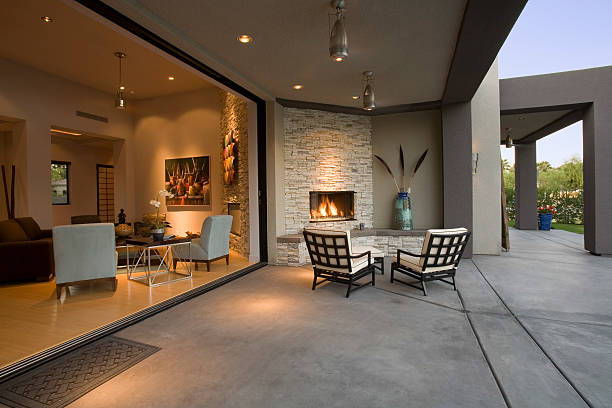
Modern homeowners increasingly view outdoor areas as extensions of their interior living spaces. Exterior architecture helps define how patios, terraces, porches, and landscape features integrate with the home itself.
Through thoughtful planning, architects create seamless transitions between indoor and outdoor environments. These connections improve usability while expanding opportunities for relaxation, entertainment, and everyday living. The result is a more functional property that supports a variety of lifestyle needs.
Why Is Custom Exterior Design Worth the Investment?
Addressing Site Specific Conditions
Every property presents unique opportunities and challenges. Factors such as lot dimensions, topography, sunlight exposure, surrounding structures, and local regulations all influence design decisions. Custom architectural solutions allow homeowners to take full advantage of these conditions rather than relying on generic approaches.
Professional architects evaluate the site comprehensively before developing design concepts. This process helps ensure the home responds appropriately to its environment while maximizing both visual and functional benefits.
For homeowners seeking a highly personalized approach, investing in professional exterior architecture design services can result in a home that is uniquely suited to its location, architectural style, and long term goals.
Supporting Long Term Durability
Exterior architectural planning helps protect the home from environmental conditions while reducing future maintenance concerns. Durable materials, proper detailing, and quality construction techniques contribute to a structure that performs reliably over time.
Architects focus on solutions that support longevity without compromising aesthetics. This long term perspective can help homeowners protect their investment while maintaining the property’s appearance and functionality for years into the future.
How Does Exterior Design Reflect Architectural Expertise?
Integrating Design and Performance
Architectural expertise extends beyond creating attractive structures. It involves understanding how design decisions affect performance, comfort, durability, and value. Exterior design represents the intersection of these considerations, requiring a comprehensive approach that addresses both appearance and function.
Professionally designed homes benefit from coordinated planning that considers every aspect of the building envelope. This integrated strategy helps create a property that performs efficiently while maintaining architectural integrity.
Delivering Timeless Results
Trends in residential design change over time, but strong architectural principles remain relevant. Architects focus on proportion, material quality, functionality, and craftsmanship to create homes with lasting appeal. This timeless approach helps ensure the property continues to look refined and attractive regardless of changing design preferences.
Conclusion
Exterior architectural design is one of the most important aspects of creating a successful custom home. It influences curb appeal, functionality, energy efficiency, durability, and long term property value. Through thoughtful planning and professional expertise, architects develop exterior environments that balance visual beauty with practical performance.
Whether building a new residence or enhancing an existing property, investing in quality architectural design can help create a home that reflects your goals while standing the test of time. To discuss your vision and explore customized solutions, Get in touch with the experienced team at Grant Architects Chicago.
