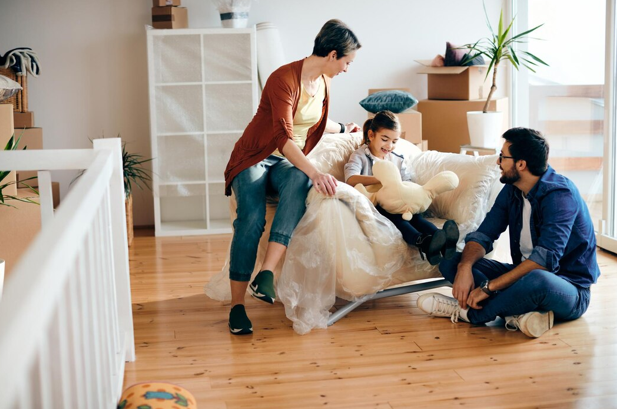
Moving house is a major milestone for any family, and staying organised can make the process far less stressful. Many households rely on movers and packers in Sydney to simplify the relocation process, but a structured packing plan is equally important. Packing one room at a time helps reduce confusion, keeps belongings organised, and makes unpacking much easier once you arrive at your new home.
This room-by-room packing guide explains the best way to prepare every area of your home before moving day while keeping your family’s belongings safe and accessible.
Why a Room-by-Room Packing Strategy Works
Packing randomly often leads to misplaced items and unnecessary stress when unpacking. Focusing on one room at a time keeps everything organised and allows each family member to contribute effectively.
Benefits include:
- Easier labelling and unpacking
- Reduced risk of losing important items
- Better protection for fragile belongings
- More efficient moving day preparation
By following a systematic approach, families can stay on track and avoid last minute panic.
See also: How Technology Is Revolutionizing Financial Transactions
Start with the Least Used Rooms
Rooms that are rarely used should always be packed first. This allows you to begin early without affecting your daily routine.
Guest Bedrooms
Guest rooms usually contain decorative items, spare bedding, and seasonal belongings that are not needed every day.
Pack these items first:
- Spare blankets and pillows
- Decorative pieces
- Extra clothing stored in wardrobes
- Books and ornaments
Label every carton clearly so it can be unpacked easily in the new home.
Storage Areas
Garages, sheds, and storage cupboards often contain forgotten items that need sorting before moving.
Take time to:
- Dispose of broken items
- Donate unwanted belongings
- Group similar items together
- Separate hazardous materials
Reducing unnecessary clutter means fewer boxes and lower moving costs.
Packing the Living Room Efficiently
The living room contains electronics, furniture accessories, decorations, and sentimental items that require careful handling.
Electronics
Disconnect cables and photograph wiring arrangements before removing equipment.
Wrap televisions, gaming consoles, and speakers with protective padding and pack accessories in labelled bags.
Decorative Items
Frames, mirrors, lamps, and ornaments should be individually wrapped using bubble wrap or packing paper.
Avoid overfilling cartons with heavy decorative objects to prevent breakage.
Organising the Kitchen for a Smooth Move
The kitchen is usually the most challenging room to pack because it contains fragile and everyday essentials.
Start several days before moving and keep only necessary cooking items available until the final day.
Pack Non Essential Appliances First
Store appliances that are not used daily in sturdy cartons.
Examples include:
- Slow cookers
- Sandwich presses
- Food processors
- Blenders
- Coffee machines
Secure loose parts separately to prevent damage.
Protect Glassware and Crockery
Wrap plates individually and stack them vertically instead of flat.
Use paper between bowls and glasses to minimise movement during transport.
Heavy items should always be placed at the bottom of the carton.
Prepare Pantry Items
Check expiry dates before packing food supplies.
Donate unopened products that you are unlikely to use before moving and dispose of expired goods responsibly.
Packing Bedrooms Without Stress
Bedrooms contain clothing, personal belongings, and valuables that need organised packing.
Keeping similar items together saves considerable time during unpacking.
Adult Bedrooms
Wardrobes can often be packed directly into wardrobe boxes, allowing clothing to remain on hangers.
Fold seasonal clothing into suitcases or storage tubs to maximise space.
Jewellery and valuables should be transported separately and kept with you during the move.
Children’s Bedrooms
Packing children’s rooms can be emotional because of toys and sentimental belongings.
Allow children to help choose which toys to pack first and which to keep accessible until moving day.
Pack favourite comfort items separately so they are easy to find after arrival.
Managing the Bathroom
Bathrooms contain many small items that can easily leak or become damaged during transport.
Seal liquid containers inside plastic bags before placing them into boxes.
Pack toiletries in small cartons and keep everyday essentials available until the final morning.
Items to organise include:
- Medicines
- Towels
- Hair appliances
- Cosmetics
- Personal care products
Dispose of empty containers before packing.
Home Office Packing Tips
Many families now work remotely, making the home office an important space to organise carefully.
Back up digital files before disconnecting computers and office equipment.
Label cables and chargers to simplify reconnection at your new property.
Store important documents in waterproof folders and transport them personally rather than placing them in the moving truck.
Laundry Room Organisation
The laundry often contains cleaning products and bulky equipment that should be packed carefully.
Disconnect washing machines according to manufacturer recommendations and allow them to dry completely before transport.
Pack cleaning supplies upright and secure lids tightly to prevent leaks.
Group similar products together to make unpacking easier.
Outdoor Areas and Garden Equipment
Outdoor spaces often take longer to organise than expected because of tools, furniture, and gardening equipment.
Clean all equipment before packing and remove fuel from powered machinery where appropriate.
Stack outdoor furniture cushions separately inside waterproof bags.
Garden tools should be bundled securely to reduce movement during transport.
Labelling Boxes Correctly
One of the simplest ways to reduce moving stress is by creating a consistent labelling system.
Each carton should include:
- Room destination
- Brief contents description
- Fragile warning if needed
- Box number for inventory tracking
Colour coding different rooms can further simplify unloading and unpacking.
Create an Essentials Box for Moving Day
Every family should prepare one essentials box containing items needed during the first twenty four hours after arrival.
Include practical necessities such as toiletries, chargers, medications, snacks, important documents, and a change of clothes for each family member.
Having these items readily available prevents unnecessary searching through dozens of cartons after a long moving day.
Tips for Packing Fragile Family Items
Family homes often contain sentimental belongings that require additional care.
Photographs, heirlooms, artwork, and collectibles should be individually protected using quality packing materials.
Avoid placing excessive weight on boxes containing fragile possessions.
Where possible, transport irreplaceable items in your own vehicle rather than the moving truck.
Involve the Whole Family
Moving becomes much easier when everyone participates.
Children can label boxes, organise toys, and sort books while older family members can assist with wrapping fragile items and packing wardrobes.
Sharing responsibilities creates a smoother packing experience and helps everyone adjust to the upcoming move.
Common Packing Mistakes to Avoid
Many relocation problems occur because of poor preparation rather than the move itself.
Avoid these common mistakes:
- Leaving packing until the last minute
- Mixing items from multiple rooms
- Overloading cartons
- Forgetting to label boxes
- Packing prohibited or hazardous materials
Planning ahead can prevent unnecessary delays and damage.
Final Thoughts
Packing an entire family home can seem overwhelming, but dividing the process room by room makes every stage more manageable. Starting early, decluttering unnecessary belongings, protecting fragile items, and labelling every box carefully will save time and reduce stress during relocation. With a structured approach, families can enjoy a smoother transition into their new home while keeping their possessions organised from departure to arrival.
