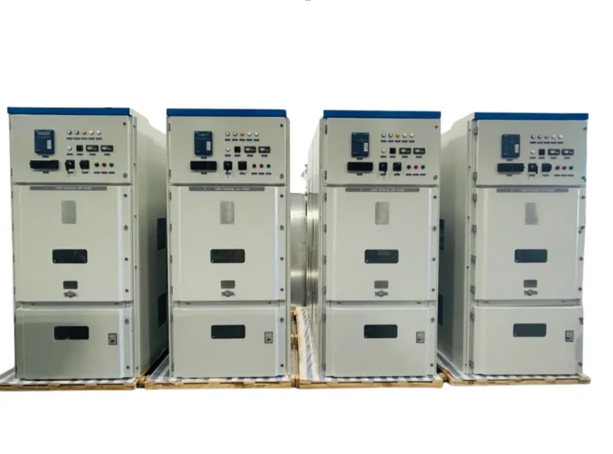
Electrical equipment plays a critical role in commercial buildings, industrial facilities, power distribution systems, and manufacturing plants. Proper medium voltage switchgear maintenance is one of the most important practices for ensuring system reliability and preventing unexpected downtime. When electrical equipment fails, businesses often experience production delays, costly repairs, and safety risks that could have been avoided through proper inspection and preventive measures.
Understanding the most common causes of electrical equipment failure helps facility managers, maintenance teams, and engineers implement strategies that improve performance and extend equipment lifespan.
Why Electrical Equipment Failure Matters
Electrical systems are designed to operate safely under specific conditions. However, environmental factors, aging components, improper operation, and lack of maintenance can gradually weaken equipment performance.
Unexpected failures may result in:
- Production interruptions
- Increased repair expenses
- Equipment replacement costs
- Fire hazards
- Safety risks for workers
- Reduced operational efficiency
- Power outages across facilities
Preventing these issues requires understanding what causes failures and taking proactive maintenance measures.
See also: How Technology Is Revolutionizing Financial Transactions
Aging Equipment and Component Wear
One of the leading causes of electrical equipment failure is simple aging. Every electrical component has a limited service life, and continuous operation gradually reduces its reliability.
Insulation materials deteriorate over time, metal contacts wear down, and moving mechanical parts lose their effectiveness after years of operation.
Common aging issues include:
- Insulation breakdown
- Corroded electrical contacts
- Weak circuit breaker springs
- Worn mechanical assemblies
- Loose internal connections
- Reduced dielectric strength
Replacing aging components before complete failure significantly improves system reliability.
Lack of Preventive Maintenance
Many electrical failures occur because routine inspections are neglected. Minor defects often go unnoticed until they develop into major equipment failures.
Preventive maintenance helps identify problems before they become expensive emergencies.
Important maintenance activities include:
- Cleaning equipment surfaces
- Inspecting insulation
- Tightening electrical connections
- Lubricating moving parts
- Testing protective relays
- Checking grounding systems
- Performing thermal imaging inspections
Scheduled maintenance reduces downtime while improving operational safety.
Overheating Due to Excessive Load
Electrical equipment is designed to operate within specific current limits. When systems are overloaded, excessive heat builds up inside conductors and components.
Heat accelerates insulation deterioration and weakens internal materials.
Signs of overheating include:
- Burn marks
- Discolored insulation
- Unusual odors
- Hot electrical panels
- Frequent breaker trips
- Melted connectors
Preventing overload conditions involves proper load balancing and accurate electrical system design.
Moisture and Water Exposure
Moisture is one of the biggest enemies of electrical equipment. Water intrusion can create insulation failures, corrosion, and electrical shorts that permanently damage equipment.
Facilities located in humid environments or exposed to weather conditions face increased risks.
Preventive measures include:
- Maintaining weatherproof enclosures
- Installing moisture barriers
- Using space heaters inside switchgear
- Regularly checking for condensation
- Repairing enclosure seals
- Improving ventilation
Keeping electrical systems dry greatly improves long term reliability.
Dust and Contamination
Industrial facilities often contain dust, dirt, chemicals, oil, and airborne contaminants that accumulate inside electrical equipment.
These contaminants interfere with insulation performance and cooling efficiency.
Dust buildup may cause:
- Electrical tracking
- Arc flash hazards
- Overheating
- Blocked ventilation
- Insulation degradation
- Short circuits
Routine cleaning programs reduce contamination related failures and improve equipment performance.
Loose Electrical Connections
Loose electrical connections generate resistance, which creates localized heating and energy loss.
Even a slightly loose terminal can eventually cause severe damage if left untreated.
Common causes include:
- Vibration
- Thermal expansion
- Improper installation
- Aging connectors
- Mechanical movement
- Inadequate torque during assembly
Periodic torque verification helps eliminate connection related failures.
Poor Installation Practices
Electrical systems installed incorrectly often develop problems long before their expected service life ends.
Installation mistakes may include improper cable routing, incorrect grounding, poor termination methods, or incompatible equipment selection.
Proper installation should include:
- Manufacturer guideline compliance
- Correct conductor sizing
- Accurate torque specifications
- Verified grounding systems
- Proper cable support
- Equipment alignment checks
Quality installation creates a strong foundation for long term system reliability.
Voltage Surges and Power Disturbances
Power quality problems contribute to electrical equipment damage across many industries.
Voltage surges caused by lightning strikes, switching operations, or utility disturbances can damage sensitive components instantly.
Power disturbances include:
- Voltage spikes
- Voltage sags
- Harmonic distortion
- Frequency variations
- Power interruptions
- Transient overvoltages
Installing surge protection devices and monitoring power quality helps reduce these risks.
Inadequate Ventilation
Electrical equipment generates heat during normal operation. Without proper airflow, internal temperatures can exceed safe operating limits.
Restricted ventilation often occurs because of blocked air filters, poor room design, or equipment installed too closely together.
Improving ventilation may involve:
- Cleaning cooling fans
- Replacing air filters
- Increasing airflow
- Installing ventilation systems
- Maintaining equipment spacing
- Monitoring ambient temperature
Cooling systems play a significant role in extending equipment life.
Corrosion of Electrical Components
Corrosion gradually weakens electrical connections and conductive surfaces.
Facilities near coastal areas, chemical plants, or humid environments experience higher corrosion rates.
Corrosion may affect:
- Bus bars
- Connectors
- Grounding systems
- Switch contacts
- Cable terminations
- Control wiring
Protective coatings and environmental controls help minimize corrosion related failures.
Mechanical Vibration
Industrial equipment often operates in environments where vibration is unavoidable.
Continuous vibration loosens bolts, weakens electrical connections, and damages sensitive components over time.
Common vibration sources include:
- Motors
- Pumps
- Compressors
- Generators
- Heavy machinery
- Nearby production equipment
Regular inspections help identify vibration damage before failures occur.
Insulation Failure
Electrical insulation separates energized conductors and prevents current leakage.
As insulation ages, its protective properties decrease due to heat, contamination, moisture, and electrical stress.
Symptoms of insulation deterioration include:
- Partial discharge
- Surface tracking
- Cracks
- Carbonization
- Reduced resistance
- Flashover events
Insulation testing should be part of every preventive maintenance program.
Human Error During Operation
Operator mistakes remain a significant cause of electrical equipment damage.
Improper switching procedures, unauthorized modifications, and incorrect maintenance practices can create hazardous conditions.
Reducing human error requires:
- Standard operating procedures
- Employee training
- Lockout and tagout compliance
- Equipment labeling
- Clear maintenance documentation
- Routine safety audits
Well trained personnel contribute significantly to equipment reliability.
Environmental Factors
Extreme environmental conditions can reduce electrical equipment lifespan.
Environmental risks include:
- High temperatures
- Freezing conditions
- UV exposure
- Salt contamination
- Chemical exposure
- Heavy humidity
- Air pollution
Selecting equipment designed for the operating environment helps reduce failure rates.
Importance of Condition Monitoring
Modern facilities increasingly rely on condition monitoring technologies to identify problems before failures occur.
Predictive maintenance tools include:
- Infrared thermography
- Partial discharge monitoring
- Ultrasonic testing
- Vibration analysis
- Insulation resistance testing
- Online temperature monitoring
These technologies allow maintenance teams to schedule repairs before equipment experiences catastrophic failure.
Best Practices for Preventing Electrical Equipment Failure
Organizations can significantly reduce failures by implementing comprehensive maintenance strategies.
Key preventive practices include:
- Perform scheduled inspections
- Follow preventive maintenance schedules
- Keep equipment clean
- Monitor operating temperatures
- Test insulation regularly
- Tighten electrical connections
- Replace aging components
- Install surge protection
- Improve environmental controls
- Train maintenance personnel
- Maintain accurate maintenance records
- Monitor equipment condition continuously
Consistent preventive efforts improve safety while reducing operating costs.
Conclusion
Electrical equipment failure rarely occurs without warning. Most failures develop gradually through aging, contamination, overheating, moisture exposure, poor maintenance, or operational mistakes. Understanding these common causes allows organizations to identify risks early and implement preventive strategies that protect critical infrastructure.
A proactive maintenance approach not only extends equipment life but also improves workplace safety, reduces downtime, lowers repair costs, and supports reliable power system operation for years to come.
